
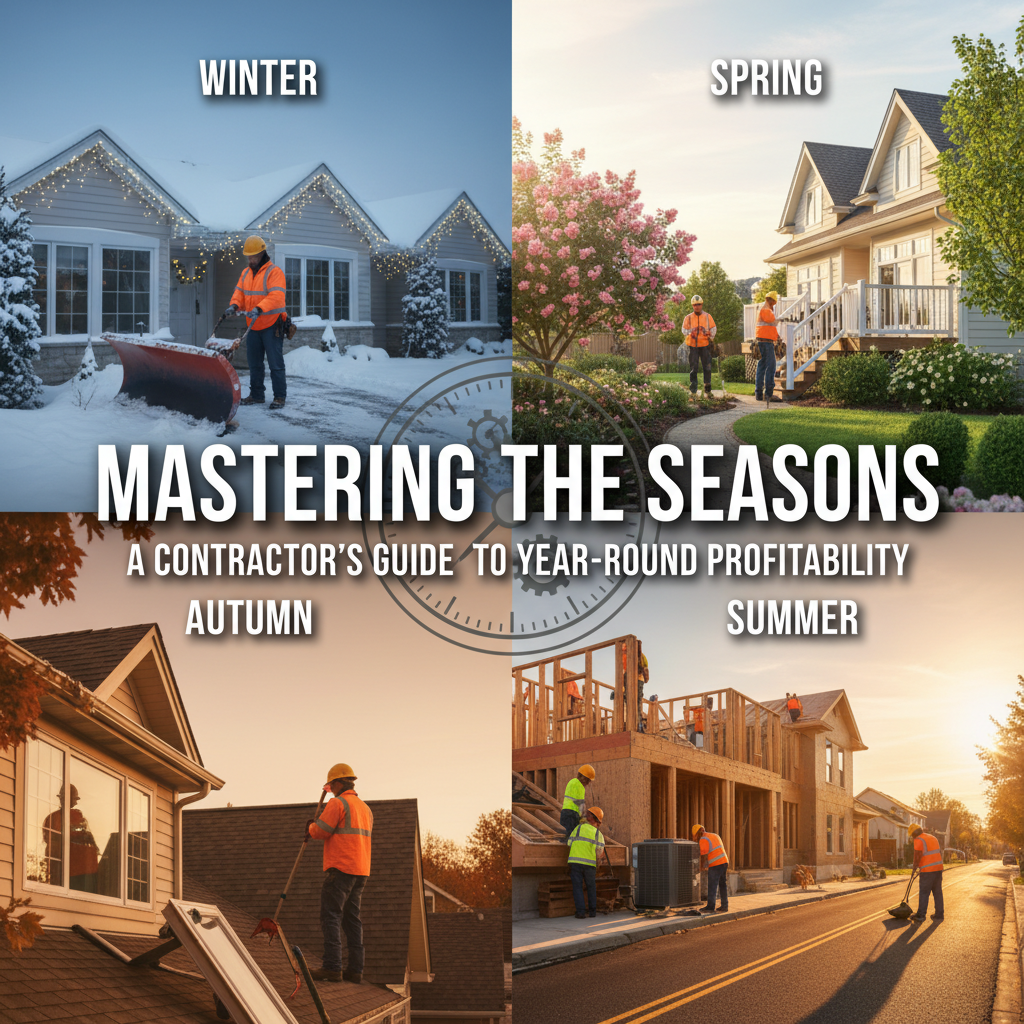
The Contractor’s Seasonal Dilemma
If you run a service business—whether you are a plumber, electrician, roofer, or landscaper—you know the 'feast or famine' cycle all too well. One month you are swamped with emergency calls, and the next, you are waiting by the phone. For many small business owners, seasonal volatility is treated as an inevitable cost of doing business. But what if you could smooth out those peaks and valleys?
Proactive seasonal planning is the difference between a business that just survives the slow months and one that consistently grows. By leveraging data and smart scheduling, you can turn seasonal shifts into a competitive advantage.
1. Analyze Last Year’s Data
You cannot manage what you do not measure. Before the next season hits, dive into your records from the past 24 months. Look for trends: When did your call volume spike? When did inquiries drop off? If you use business management software, this data is likely already at your fingertips. By identifying exactly when your slow season begins, you can start marketing campaigns 30 days prior to bridge the gap.
2. Diversify Your Service Offerings
Smart contractors reduce reliance on a single service. If you are a landscaper, winter shouldn't mean zero income. Consider adding snow removal or holiday lighting services to keep cash flowing. If you are an HVAC technician, push preventative maintenance agreements during your shoulder seasons. Selling maintenance plans not only creates recurring revenue but also ensures you are the first person your customers call when a larger issue arises.
3. Shift Your Marketing Strategy
Marketing is not a 'set it and forget it' activity. Your messaging should change with the thermostat. During your peak season, your marketing should focus on availability and speed. During the slow season, focus on value-add projects, upgrades, or bundled services.
For example, if you are a plumber, run promotions for 'whole-home inspections' during slow periods to identify upcoming repair needs. Use your contractor management platform to send targeted email campaigns to previous customers, reminding them that the off-season is the perfect time for non-emergency upgrades.
4. Leverage Technology to Optimize Efficiency
Small business owners often lose money simply because they aren't maximizing their time. When the season is slow, it is the perfect time to audit your internal operations. Use your management software to:
- Automate Follow-ups: Ensure no lead falls through the cracks by using automated drip campaigns.
- Optimize Routes: Use scheduling tools to minimize drive time, allowing your crew to handle one or two extra jobs per day.
- Streamline Invoicing: Get paid faster by offering integrated payment solutions, reducing the time you spend chasing down checks.
5. Staffing and Training During Down Time
The slow season is not just for bookkeeping; it is for skill-building. Use this time to train your crew on new equipment or soft-skills like customer service. A well-trained team is more efficient, leads to higher customer satisfaction, and helps you command premium pricing when the busy season returns.
Conclusion: Build for Longevity
Seasonal planning isn't just about surviving the cold or the heat; it is about building a robust, predictable business model. By diversifying your services, utilizing data-driven marketing, and streamlining your back-office operations with the right technology, you can take control of your calendar instead of letting the calendar control you. Start your planning today, and watch your business thrive in every season.
Photo by Scott Blake on Unsplash
Run your contracting business the easy way
Estimates, scheduling, invoicing, and payments — all in one place. Free to start, no credit card required.
Start Free Trial